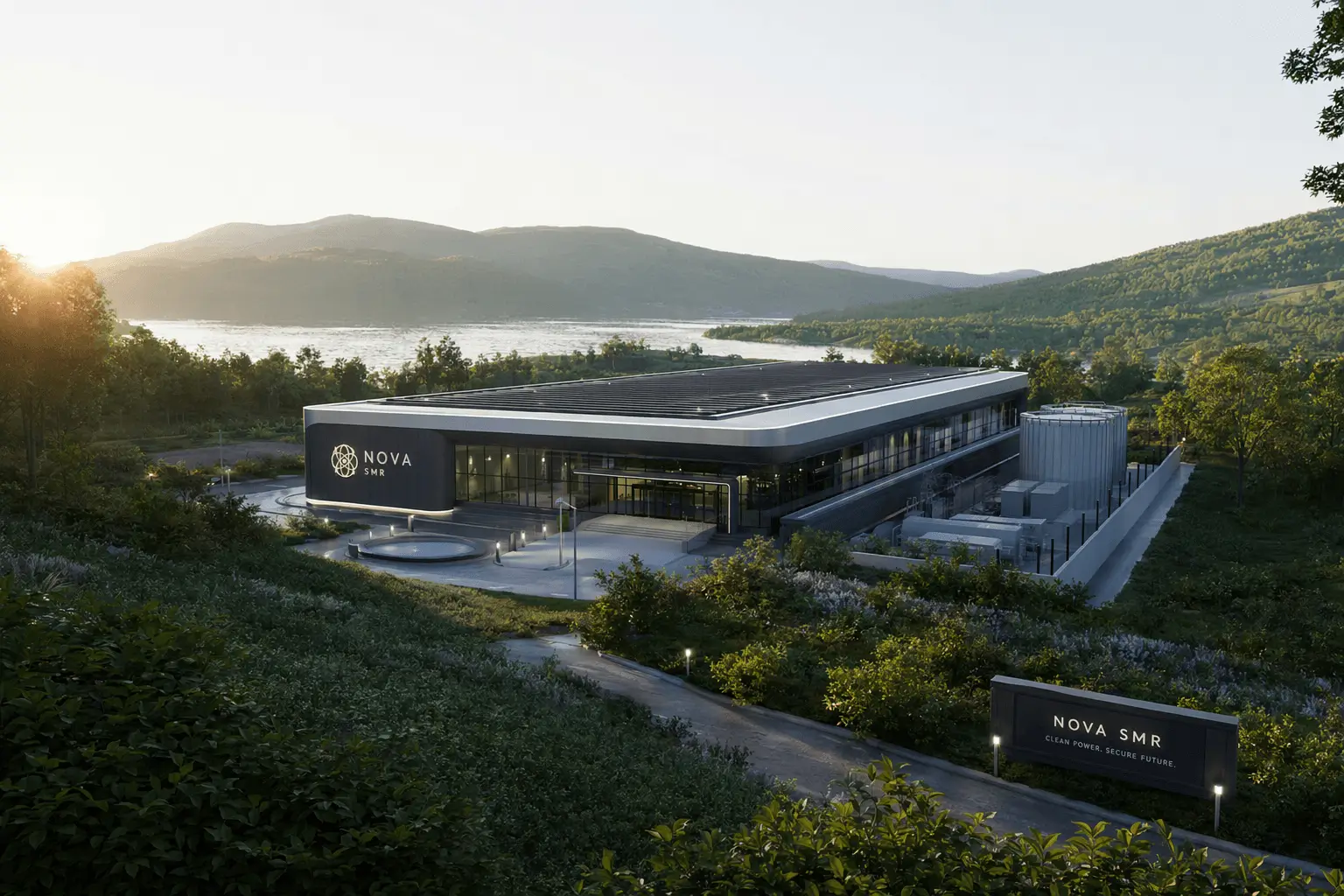
For the past thirty years, the narrative surrounding nuclear energy in the West has been one of managed decline. Haunted by the specters of Chernobyl and Fukushima, and crippled by massive cost overruns in the few new plants that were commissioned, the industry was largely viewed as a relic of the 20th century. Environmental groups lobbied aggressively for the premature closure of perfectly functional reactors, and the political capital required to break ground on a new gigawatt-scale facility was practically non-existent.
However, as we progress through the mid-2020s, the calculus has fundamentally shifted. Driven by the brutal math of deep decarbonization and the geopolitical imperative for energy security, nuclear power is experiencing a remarkable, heavily capitalized renaissance. This is not a return to the massive, multi-decade megaprojects of the past. The “Nuclear Renaissance 2.0” is characterized by venture-backed startups, advanced physics, smaller footprints, and an acknowledgment that wind and solar alone cannot solve the global energy crisis.
In this deep dive, we will explore the engineering breakthroughs behind Small Modular Reactors (SMRs), the shifting economics of the grid, the regulatory hurdles that remain, and why private equity is suddenly pouring billions of dollars into atomic energy.
The Baseload Dilemma: Why Renewables Need Nuclear
To understand the resurgence of nuclear energy, one must first understand the fundamental limitations of the current green tech paradigm. As we explored in our broader analysis of climate tech investing solutions, the cost of wind and solar has plummeted over the last decade. However, these energy sources are inherently intermittent.
The Problem with the “Duck Curve”
Grid operators manage electricity in real-time; supply must exactly match demand every single second. As the penetration of solar power increases, grids experience the infamous “Duck Curve” - massive overproduction of electricity during the middle of the day, followed by a steep, dangerous drop-off exactly when the sun sets and evening demand spikes.
While grid-scale lithium-ion batteries are excellent at smoothing out hourly fluctuations, they are economically and physically incapable of providing reliable, multi-week backup power during prolonged weather events (like a windless, cloudy winter week in Northern Europe).
The Necessity of Firm, Dispatchable Power
To maintain grid stability in a decarbonized world, you need “firm” power - electricity generation that can be dispatched on demand, regardless of the weather, 24 hours a day, 7 days a week. Historically, this baseload power was provided by coal and natural gas.
If a society is committed to achieving Net-Zero emissions, the only technologically mature, scalable source of zero-carbon firm power available today is nuclear energy. The massive infrastructure required for smart cities and hyper-connected 5G networks cannot run on a grid that experiences rolling blackouts simply because the wind stopped blowing. The tech industry, particularly companies operating massive, energy-hungry AI data centers, has realized this math and is becoming one of the most vocal advocates for new nuclear capacity.
The Technological Pivot: Small Modular Reactors (SMRs)
The primary reason traditional nuclear energy failed economically was the sheer scale and bespoke nature of the construction. Building a 1,000-megawatt (GW) reactor is like building a custom cathedral; every project is uniquely engineered, constructed on-site over a decade, and invariably suffers massive cost overruns due to supply chain delays and evolving regulatory requirements.
The industry’s solution is the Small Modular Reactor (SMR). This represents a shift from bespoke construction to standardized manufacturing.
Factory-Built Atomic Power
SMRs are designed to generate a fraction of the power of a traditional plant (typically between 50 and 300 megawatts). Crucially, the entire reactor core is designed to be manufactured in a centralized factory, loaded onto a standard flatbed truck or railcar, and shipped to the site for final assembly.
This approach drastically reduces construction risk. By building the complex nuclear components in a controlled factory environment utilizing advanced robotics and standardized parts, companies believe they can drive down the cost per megawatt significantly, leveraging the same economies of scale that made the automotive and aerospace industries profitable.
Passive Safety and Advanced Coolants
Furthermore, the physics of these next-generation reactors are fundamentally different. Legacy reactors generally use highly pressurized water to cool the core. If the power to the cooling pumps is lost (as happened at Fukushima), the water boils off, leading to a meltdown.
Many advanced SMRs, such as those being developed by TerraPower (backed by Bill Gates), utilize different coolants like liquid sodium or molten salt. These coolants operate at atmospheric pressure, meaning there is no explosive pressure building up inside the reactor. More importantly, they employ “passive safety” features. If the plant loses all external power, the physical properties of the coolant naturally circulate and dissipate the decay heat indefinitely. The reactor simply shuts itself down without human intervention. This makes a catastrophic meltdown physically impossible, fundamentally changing the risk profile of the technology.
The Economic and Geopolitical Imperative
The engineering is elegant, but the true driver of this renaissance is geopolitics and energy security. The global energy crises of the early 2020s served as a stark reminder of the vulnerability inherent in relying on imported fossil fuels from unstable or adversarial regimes.
Decoupling from Petro-States
For nations in Europe and Asia that lack vast domestic reserves of natural gas or oil, nuclear energy offers unparalleled energy sovereignty. A modern reactor requires only a small amount of uranium to run for years. By embracing nuclear power, nations can decouple their economies from the volatile geopolitical shocks of the global energy market, ensuring stable, predictable electricity prices for their domestic industries.
The Race for Global Export Supremacy
The development of advanced nuclear technology is also viewed as a critical strategic export. Currently, state-owned enterprises in Russia and China dominate the global market for new nuclear construction. They offer aggressive financing packages to developing nations looking to build their first reactors.
Western governments have realized that ceding the global nuclear market to strategic rivals carries profound long-term security implications. Building a nuclear plant in a developing nation creates a 100-year strategic relationship (covering construction, fuel supply, maintenance, and eventual decommissioning). Consequently, agencies in the US and Europe are actively subsidizing their domestic SMR startups, viewing them as essential tools of “commercial diplomacy.”
The Regulatory Bottleneck
Despite the massive influx of venture capital and strong political tailwinds, the nuclear renaissance is facing a severe bottleneck: the regulatory framework.
Archaic Licensing Structures
The regulatory bodies that oversee nuclear safety, such as the Nuclear Regulatory Commission (NRC) in the United States, were designed in the 1970s to regulate massive, custom-built light-water reactors. Their licensing processes are incredibly rigorous, opaque, and wildly expensive.
Taking an innovative SMR design - one that uses molten salt instead of water and passive physics instead of active pumps - through a regulatory framework designed for 40-year-old technology is a massive friction point. Startups are spending hundreds of millions of dollars and several years just to get a design certified, before a single shovel hits the dirt.
Organizations like the International Atomic Energy Agency (IAEA) are working to harmonize international standards, but the pace of regulatory reform is agonizingly slow compared to the pace of technological innovation. If Western nations want their domestic startups to compete globally, they must modernize their regulatory pathways without compromising safety.
Conclusion: The Atomic Imperative
The resurgence of nuclear energy is one of the most fascinating economic and technological pivots of the decade. It requires a profound reassessment of deeply ingrained historical fears and an acknowledgment of the harsh physical realities of energy grids.
While the deployment of SMRs faces significant hurdles in scaling manufacturing and navigating archaic regulations, the macroeconomic necessity is clear. Deep decarbonization without economic collapse requires reliable, firm, zero-carbon power. The tech industry, the manufacturing sector, and global governments have collectively realized that the path to a sustainable future must be paved, at least in part, with uranium.
The next ten years will determine whether this venture-backed renaissance translates into actual steel in the ground, or whether the West cedes the future of atomic energy to its geopolitical rivals. For investors with the capital and the patience to navigate the regulatory labyrinth, the nuclear sector represents the ultimate contrarian, long-term deep-tech play.